
Menu
latest blog
这是示例文本,单击 “编辑” 按钮更改此文本。

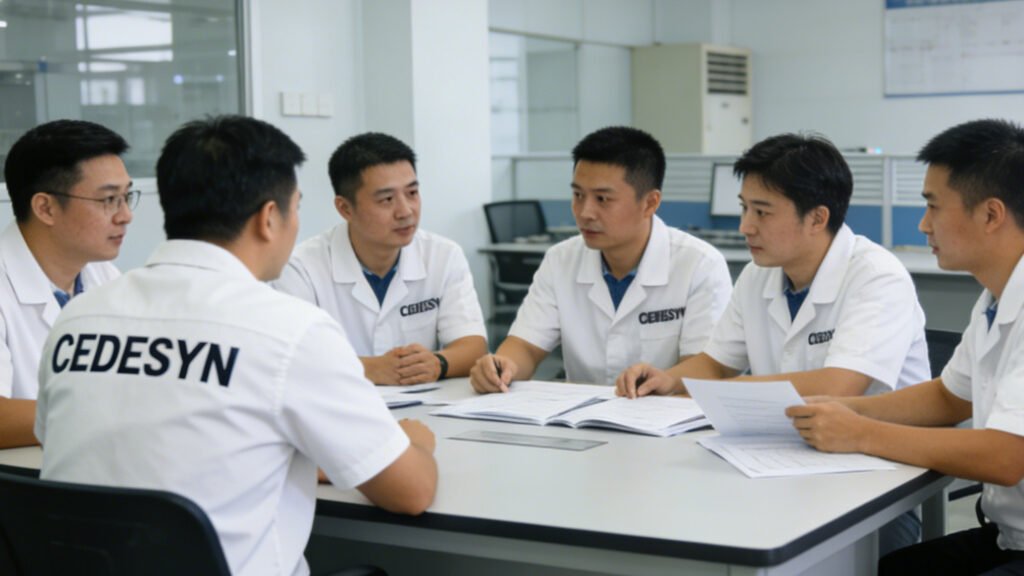
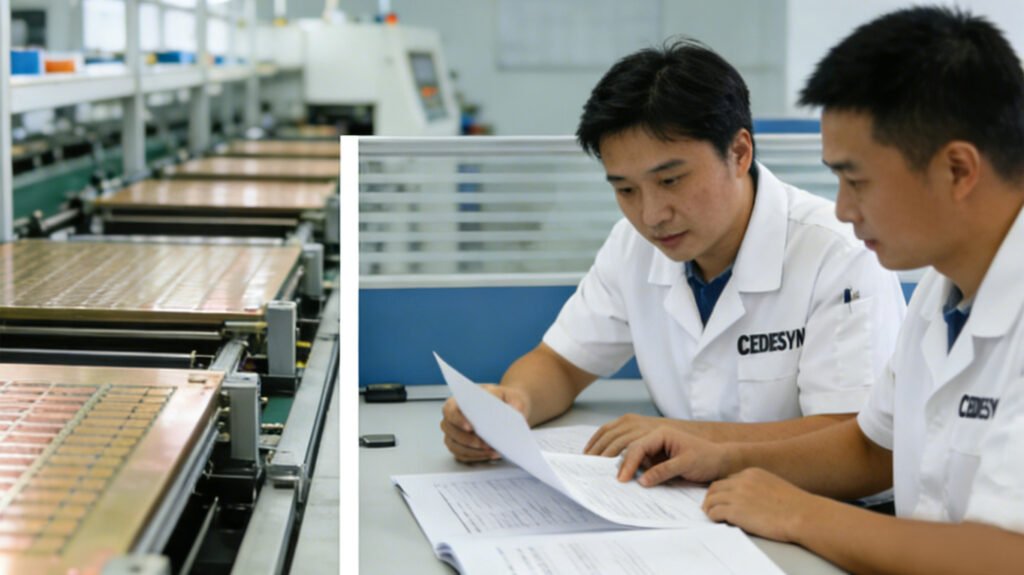
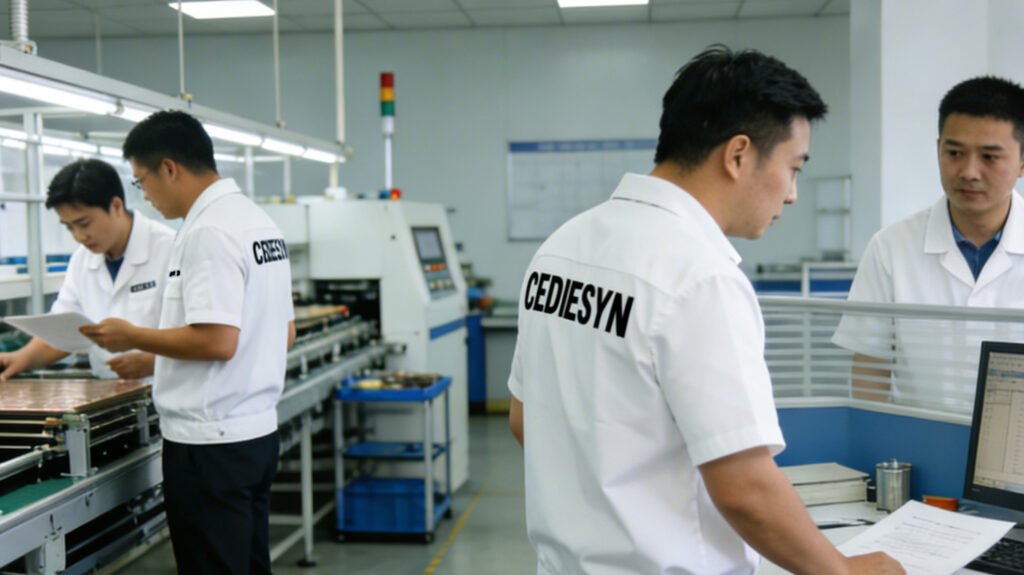
Credisyn’s Green Manufacturing: Sustainable CCL for the Future
In the fast-paced electronics world, innovation is often measured in speed, size, and conductivity. However, a quieter revolution is unfolding beneath the surface of Printed Circuit Boards (PCBs)—one defined not just by performance, but by responsibility. As the global electronics industry confronts e-waste, carbon emissions, and hazardous materials, the demand for “Green Manufacturing” has shifted from a niche preference to a universal necessity.
At Credisyn, we believe that high-performance Copper Clad Laminate (CCL) production and environmental stewardship are not mutually exclusive—they are symbiotic. As a premier CCL manufacturing factory, Credisyn is proud to lead in promoting green practices. This article serves as a comprehensive guide to our sustainable initiatives, material innovations, and real-world case studies that demonstrate the business benefits of sustainability.
Part 1: The Imperative of Green Manufacturing in the PCB Industry
To appreciate why Credisyn invests heavily in green manufacturing, it’s essential to understand the environmental footprint of traditional electronics supply chains. The PCB is pivotal in electronics, and CCL serves as its backbone. Historically, CCL production has posed significant environmental challenges:
- Hazardous Flame Retardants: Traditional FR-4 often relies on brominated flame retardants, which can release toxic dioxins if improperly burned at end-of-life.
- Volatile Organic Compounds (VOCs): The impregnation of glass cloth with resin involves solvents that contribute to air pollution if not captured.
- High Energy Consumption: The lamination process traditionally consumes vast amounts of fossil fuels.
The Credisyn Philosophy
Credisyn recognizes that OEM clients in automotive, telecommunications, and consumer electronics face immense pressure to decarbonize supply chains. Regulations like the EU’s RoHS and REACH, combined with corporate ESG goals, mean that the “green credentials” of a laminate are now as vital as its dielectric constant.
We have shifted from a compliance mindset—doing the bare minimum to avoid fines—to a proactive approach. We design safer materials and cleaner manufacturing lines.
Part 2: Material Innovation – The Chemistry of Sustainability
Our green initiative is driven by our R&D laboratory. Developing sustainable materials requires a fundamental rethinking of polymer chemistry.
- Halogen-Free CCL
- Problem: Traditional FR-4 uses bromine-based compounds for flame retardancy, which can generate toxic byproducts when incinerated.
- Solution: We developed a proprietary series of Halogen-Free laminates using Phosphorus and Nitrogen compounds. When exposed to fire, these retardants form a char layer that self-extinguishes without releasing toxic gases.
- Lead-Free Compatible Materials
- With the global ban on lead in soldering, PCB assembly temperatures have risen. Credisyn manufactures high-Tg laminates designed to withstand lead-free reflow cycles (260°C+) without delamination, reducing scrap and waste.
- Bio-Based Resin Research
- We are exploring bio-epoxy resins derived from renewable sources to partially replace petrochemical-based resins, aiming for a carbon-neutral CCL.
Part 3: The Green Factory – Engineering a Low-Carbon Production Line
A green product must be manufactured in a green factory. Credisyn has invested significantly in upgrading our infrastructure to minimize resource consumption and emissions.
- Advanced Air Emission Control (RTO Technology)
- We utilize Regenerative Thermal Oxidizers to capture VOC-laden air from drying ovens, converting it into harmless water vapor and CO2 while recycling the heat back into production.
- Water Conservation and Closed-Loop Systems
- We’ve implemented a closed-loop water recycling system, re-circulating cooling water rather than discharging it, and employing multi-stage filtration and Reverse Osmosis (RO) for wastewater treatment.
- Energy Efficiency and Smart Manufacturing
- Our smart energy management system regulates power usage with Variable Frequency Drives (VFDs) on pumps and fans, significantly reducing electricity consumption.
- Copper Recovery and Waste Management
- We enforce a strict Zero-Landfill Policy for metal waste, ensuring 100% of copper scraps are recycled.
Part 4: Compliance and Certifications – The Badge of Trust
Green manufacturing is about verification. Credisyn adheres to stringent international standards:
- ISO 14001: This certification commits us to continuous improvement in environmental impact, with annual audits.
- QC 080000: This standard focuses on the management of hazardous substances, ensuring our supply chain is free from banned materials.
- Sony Green Partner & UL Certification: Our materials meet safety and green standards, validating our processes.
Part 5: Case Studies – Sustainability in Action
Case studies illustrate the effectiveness of Credisyn’s eco-friendly laminates:
Case Study A: European EV Charger Project
Challenge: A manufacturer needed a PCB substrate compliant with EU regulations while promoting sustainability.
Solution: We supplied our CS-HF-150, a Halogen-Free, high-Tg laminate.
Outcome: The client launched the product with “Eco-Label” certification, reducing PCB assembly carbon footprint by 12%.
Solution: We supplied our CS-HF-150, a Halogen-Free, high-Tg laminate.
Outcome: The client launched the product with “Eco-Label” certification, reducing PCB assembly carbon footprint by 12%.
Case Study B: Smartphone Manufacturer Reducing Scope 3 Emissions
Challenge: A global brand aimed to lower Scope 3 emissions but found high energy usage in lamination.
Solution: Transitioning orders to Credisyn allowed them to benefit from our energy-efficient processes.
Outcome: Verified reduction in supply chain energy usage, showcased in their sustainability report.
Solution: Transitioning orders to Credisyn allowed them to benefit from our energy-efficient processes.
Outcome: Verified reduction in supply chain energy usage, showcased in their sustainability report.
Part 6: The Economic Argument for Green CCL
The misconception that “Green” means “Expensive” is fading. While halogen-free materials may have slightly higher upfront costs, the long-term economic picture favors sustainability:
- Future-Proofing: Adopting green materials now avoids costs associated with future regulatory bans.
- Brand Value: Consumers will pay a premium for eco-friendly products.
- Efficiency Gains: Credisyn’s manufacturing efficiencies stabilize production costs, keeping green materials competitively priced.
Part 7: Challenges and the Road Ahead
While we have achieved much, our journey toward fully green manufacturing continues:
- PFAS-Free Initiatives: We’re researching hydrocarbon-based alternatives for high-frequency PTFE laminates.
- Biodegradable Substrates: Partnering with research labs, we’re testing bio-composites that are compostable while maintaining electrical properties.
Conclusion: Partnering for a Greener Tomorrow
At Credisyn, our Copper Clad Laminate represents engineering precision and a commitment to environmental responsibility. Choosing Credisyn means partnering with a company dedicated to a sustainable future in electronics.
We invite you to join us in this green revolution. Whether you need data on our Halogen-Free series or samples for your next eco-friendly project, Credisyn is prepared to help.
Together, let’s build a cleaner, brighter electronic world.
Frequently Asked Questions (FAQ)
Q1: What makes a Copper Clad Laminate “Green”?
A: A “Green” CCL is free from hazardous substances and is produced using processes that minimize energy use and emissions.
A: A “Green” CCL is free from hazardous substances and is produced using processes that minimize energy use and emissions.
Q2: Is Halogen-Free CCL reliable?
A: Yes, modern Halogen-Free laminates often surpass traditional FR-4 in thermal stability and performance.
A: Yes, modern Halogen-Free laminates often surpass traditional FR-4 in thermal stability and performance.
Q3: Does Credisyn recycle waste?
A: Yes, we recycle 100% of our copper scrap, and work with partners to reuse crushed resin waste.
A: Yes, we recycle 100% of our copper scrap, and work with partners to reuse crushed resin waste.
Q4: How does Credisyn handle VOC emissions?
A: Our RTO technology captures VOCs and incinerates them, converting them into clean energy for production.
A: Our RTO technology captures VOCs and incinerates them, converting them into clean energy for production.
Q5: Can I get UL certification if I use Credisyn Halogen-Free material?
A: Yes, our Halogen-Free materials are UL recognized, and we provide necessary documentation for your PCB assembly’s UL listing.
A: Yes, our Halogen-Free materials are UL recognized, and we provide necessary documentation for your PCB assembly’s UL listing.
Paper core copper-clad substrate
Glass cloth copper-clad substrate
Cloth paper composite copper-clad substrate
Cloth felt composite copper-clad substrate
Paper core copper-clad substrate
Glass cloth copper-clad substrate
Cloth paper composite copper-clad substrate
Cloth felt composite copper-clad substrate
Credisyn quality copper clad laminates for global electronics
Credisyn-Professional CCL manufacturer, delivering reliable electronic substrate solutions worldwide.
Quick Link
Email: info@darkblue-cassowary-242734.hostingersite.com
Quick Link
Add: No. 18 Hong Kong Middle Road, Qingdao, China
Copyright © 2025 Website Title Copper Cladd Laminated Supported by Credisyn technology