
Menu
latest blog
Lorem ipsum dolor sit amet, consectetur adipiscing elit. Ut elit tellus, luctus nec ullamcorper mattis, pulvinar dapibus leo.

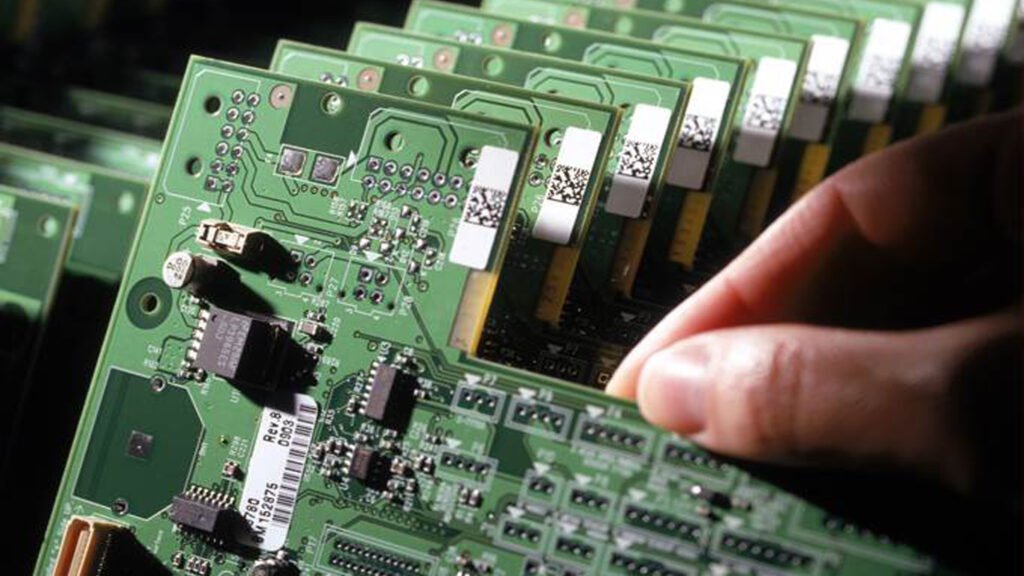
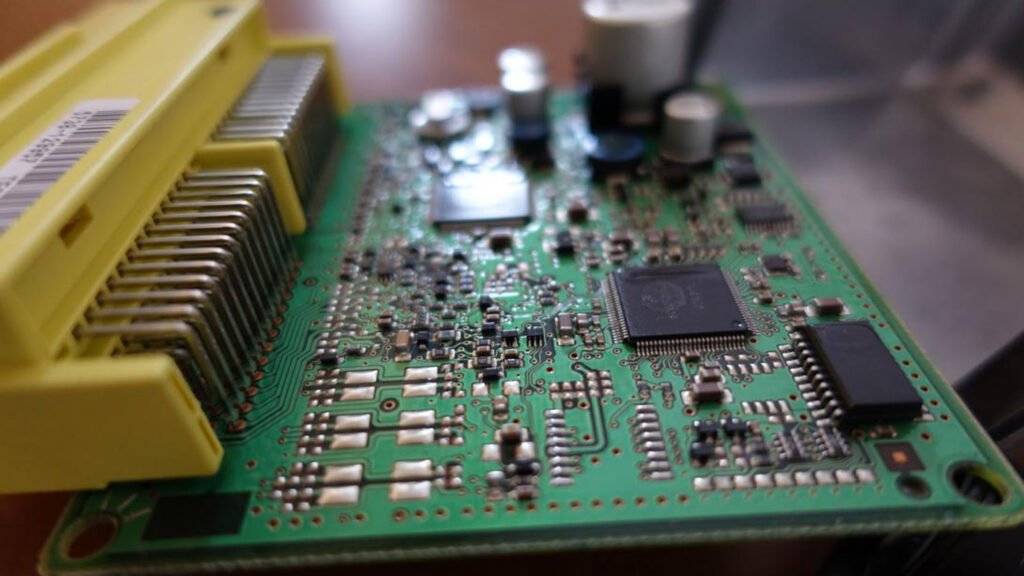
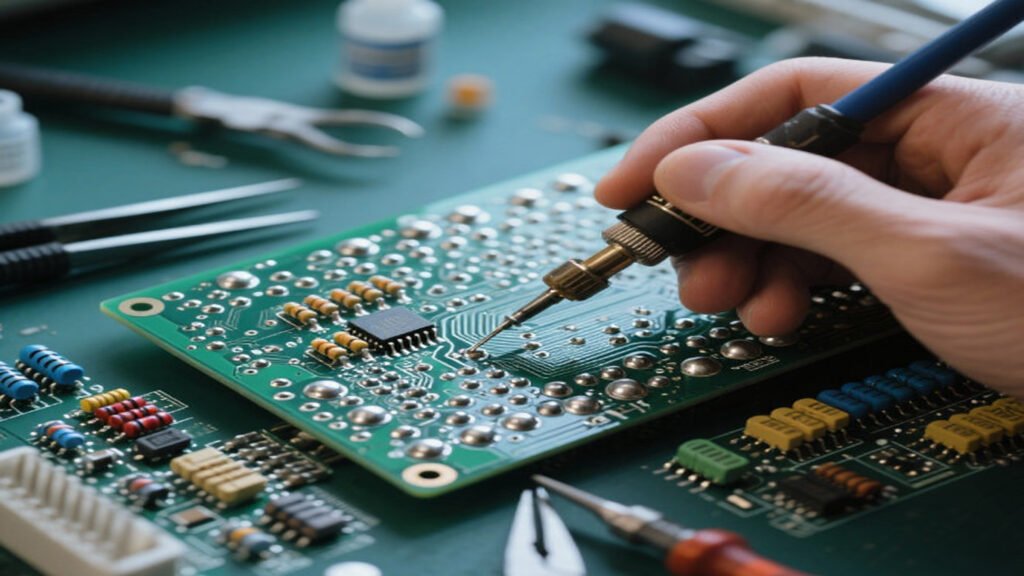
Why PCBs Need CCL: Essential Foundation for Modern Electronics
In the rapidly evolving electronics industry, Printed Circuit Boards (PCBs) serve as the critical connectivity hub for electronic components. At the core of every high-performance PCB lies Copper Clad Laminate (CCL) — the unsung hero that delivers the electrical conductivity, thermal stability, and mechanical durability required for today’s advanced devices. This guide explores the non-negotiable role of CCL in PCB design, its key benefits, industry applications, and future innovations, tailored to address search intent for engineers, manufacturers, and electronics professionals.
Understanding Copper Clad Laminate (CCL)
What is Copper Clad Laminate?
Copper Clad Laminate is a composite material consisting of a thin copper layer bonded to a dielectric substrate (typically epoxy resin reinforced with glass fibers). It acts as the foundational base for etching intricate circuit pathways, enabling the reliable flow of electrical signals between PCB components. CCL’s unique composition balances conductive and insulating properties, making it irreplaceable in modern electronics manufacturing .
Key Types of CCL for PCB Applications
Type | Core Features | Target Applications |
Standard FR-4 | Flame-retardant, excellent electrical insulation, thermal stability | Consumer electronics, industrial controls, general PCBs |
High-Frequency CCL | Low dielectric constant (Dk), low dissipation factor (Df), minimal signal loss | 5G base stations, telecommunications, high-speed data processing |
Aluminum-Based CCL (IMS) | Superior heat dissipation, metal core structure | LED lighting, power electronics, electric vehicle (EV) components |
Halogen-Free CCL | Eco-friendly, non-toxic flame retardants | Sustainable electronics, automotive systems, medical devices |
7 Critical Reasons PCBs Cannot Function Without CCL
1. Superior Electrical Conductivity for Signal Integrity
CCL’s copper layer creates low-resistance circuit pathways that facilitate efficient signal transmission. Copper’s exceptional conductivity minimizes signal loss and latency — critical for high-speed applications like 5G networks and data centers . This property ensures PCBs perform reliably even in demanding environments where signal integrity directly impacts device functionality.
2. Effective Thermal Management to Prevent Overheating
Electronic components generate heat during operation, and excess heat degrades performance and shortens lifespan. CCL acts as a heat dissipator, transferring thermal energy away from sensitive parts. Specialized variants like aluminum-based CCL amplify this effect, making them ideal for high-power applications such as LED drivers and EV control units .
3. Mechanical Strength & Durability for Structural Integrity
PCBs face physical stress during manufacturing, assembly, and real-world use (e.g., vibration in automotive or portable devices). CCL provides the structural backbone to withstand these forces, maintaining shape and reliability. Its layered design also supports multi-layer PCB configurations, enabling complex circuits without compromising robustness .
4. Excellent Insulation to Avoid Short Circuits
The dielectric substrate in CCL acts as a barrier between conductive copper layers, preventing unwanted electrical contact and short circuits. This insulation is vital for safety and performance, especially in compact devices where components are densely packed. High-temperature resistant CCL variants also withstand soldering processes and harsh operating conditions .
5. Versatility Across Electronics Industries
CCL’s adaptability makes it suitable for diverse applications, from consumer gadgets (smartphones, laptops) to industrial equipment, automotive systems, and aerospace technology. Manufacturers can customize CCL materials to meet specific requirements — such as flexibility for wearable devices or flame resistance for medical equipment — ensuring compatibility with evolving industry needs .
6. Cost-Effectiveness for Scalable Production
Mass-produced CCL leverages economies of scale, reducing per-unit costs for PCB manufacturers. Its durability also lowers long-term maintenance and replacement expenses, making high-quality PCBs accessible across industries. For small businesses and large enterprises alike, CCL delivers performance without compromising budget .
7. Streamlined PCB Fabrication Processes
CCL’s laminated structure simplifies key manufacturing steps, including etching, drilling, and component assembly. It compatibility with surface mount technology (SMT) and soldering methods accelerates production timelines while ensuring consistency. This efficiency is critical for meeting the high-volume demands of the electronics industry .
Real-World Case Studies: CCL in Action
1. 5G Telecommunications
A global telecom provider integrated high-frequency CCL into its 5G base station PCBs, achieving 30% lower signal loss and 20% faster data transmission. The laminate’s low Dk/Df values ensured reliable performance in dense urban networks, addressing the industry’s need for low-latency connectivity .
2. Electric Vehicle (EV) Systems
Automotive manufacturers now use aluminum-based CCL in EV battery management systems (BMS) and ECUs. The material’s heat dissipation capabilities reduced component failure rates by 40%, extending EV battery life and improving safety — a critical factor in the growing electric vehicle market .
3. Sustainable LED Lighting
A leading lighting company adopted halogen-free CCL for its LED fixtures, meeting EU RoHS standards while improving thermal efficiency. The switch reduced carbon emissions by 15% and extended product lifespan by 25%, aligning with consumer demand for eco-friendly electronics .
Future Trends in CCL Manufacturing (2026+)
- Advanced Material Innovations: Nano-coated substrates and bio-based resins will enhance signal integrity and sustainability, catering to high-frequency and green electronics trends.
- AI-Driven Production: Automated quality control and smart manufacturing lines (pioneered by companies like Credisyn) will reduce defects and improve production efficiency.
- Sustainability Focus: Halogen-free and recycled CCL materials will become industry standards, driven by global environmental regulations and consumer demand .
Conclusion: CCL — The Unreplaceable PCB Foundation
Copper Clad Laminate is more than a component; it’s the backbone of modern electronics. Its unique combination
Paper core copper-clad substrate
Glass cloth copper-clad substrate
Cloth paper composite copper-clad substrate
Cloth felt composite copper-clad substrate
Paper core copper-clad substrate
Glass cloth copper-clad substrate
Cloth paper composite copper-clad substrate
Cloth felt composite copper-clad substrate
Credisyn quality copper clad laminates for global electronics
Credisyn-Professional CCL manufacturer, delivering reliable electronic substrate solutions worldwide.
Quick Link
Email: info@darkblue-cassowary-242734.hostingersite.com
Quick Link
Add: No. 18 Hong Kong Middle Road, Qingdao, China
Copyright © 2025 Website Title Copper Cladd Laminated Supported by Credisyn technology